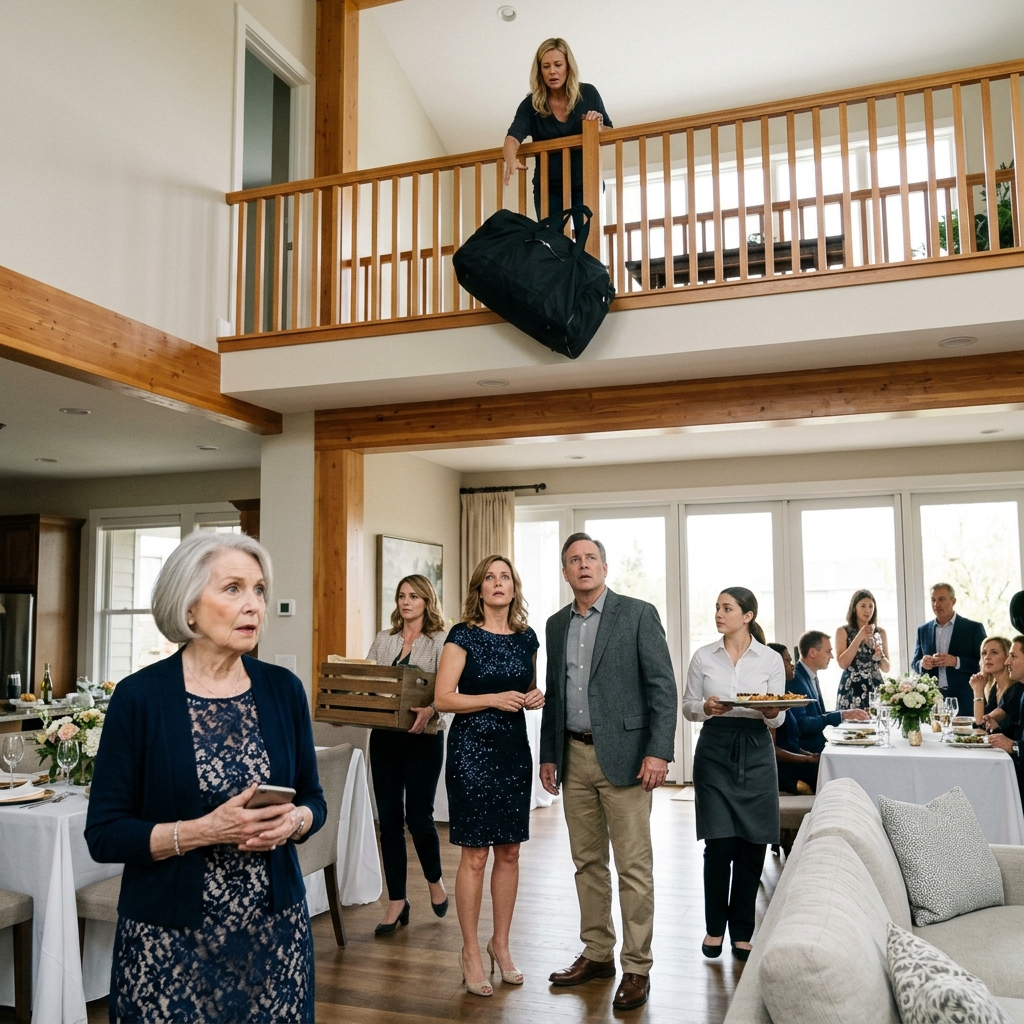
Less than a minute later, a terrified scream echoed from upstairs. Then another.Soon, the peaceful anniversary celebration dissolved into complete chaos. But none of those people understood why. To them, everything had fallen apart in seconds.
For me, it had taken eight long months.
I was 65 years old, widowed for nearly 5 years after losing my husband, George, to a sudden heart attack. Together, we had built a comfortable life.
Our mortgage had been paid off years before he passed away, leaving me with a beautiful two-story home in a quiet neighborhood where everyone knew each other’s names.
Life alone wasn’t exciting, but it was peaceful. My mornings belonged to coffee on the back porch, afternoons to gardening, and evenings to books or old movies. My finances were carefully managed, and I never depended on anyone.
Then Connor called.
His landlord had increased the rent again. He and Lydia wanted just 6 months to save enough money for a down payment on their own house.
I didn’t hesitate. He was my son. I welcomed them into my home.
Looking back now, that was the easiest decision I ever made—and the most expensive.
During the first few weeks, everything seemed normal. They occupied the two guest bedrooms upstairs while I continued living on the first floor. Everyone respected each other’s space.
Or at least that’s what I believed.
Then the little changes began.
One afternoon, after returning from grocery shopping, I stopped in the living room. The curtains were different.
The warm burgundy drapes George had picked years earlier had disappeared. In their place hung thin white panels that barely blocked the sunlight.
Even my heavy oak coffee table had vanished, replaced by a fragile glass one that looked more suitable for a furniture showroom than a family home.
Lydia sat comfortably on the sofa, scrolling through her phone. Without looking up, she smiled.
“They’re upstairs,” she answered casually. “These make the room feel younger.”
Younger—as though my home had suddenly become hers to redesign.
I climbed upstairs, found my curtains folded inside the guest room closet, carried them back down, and rehung them before dinner.
I said nothing.
Lydia watched from the hallway. Neither of us smiled.
The following week, several of my favorite coffee mugs disappeared. George had collected them during our travels over nearly 40 years of marriage. Every one carried a memory.
When I asked Connor whether he’d seen them, he shrugged.
Lydia answered instead.
Hours later, I discovered every mug inside a donation box sitting in the garage. I washed each one carefully before placing them back inside the cabinet.
The next morning, I installed a small lock on one pantry cupboard where I kept sentimental items.
Connor frowned.
I looked directly at him.
His expression fell.
He opened his mouth, then closed it again.
That was when I realized something painful. My son wasn’t cruel. He was simply unwilling to confront his wife.
Every disagreement ended the same way.
Connor remained silent. Lydia made the decisions, and slowly, those decisions began changing my home.
I started paying closer attention.
The way Lydia referred to the house as “our place” whenever friends visited. The way she invited people over without asking. The way she spoke about future renovations as though ownership had already been decided.
Each incident by itself seemed small. Together, they painted a picture I could no longer ignore.
For Lydia, living in my house wasn’t temporary. It was the beginning of a takeover.
By the fourth month, the atmosphere inside my home had changed completely. Connor and Lydia no longer behaved like temporary guests.
They acted like homeowners waiting for paperwork to catch up with reality.
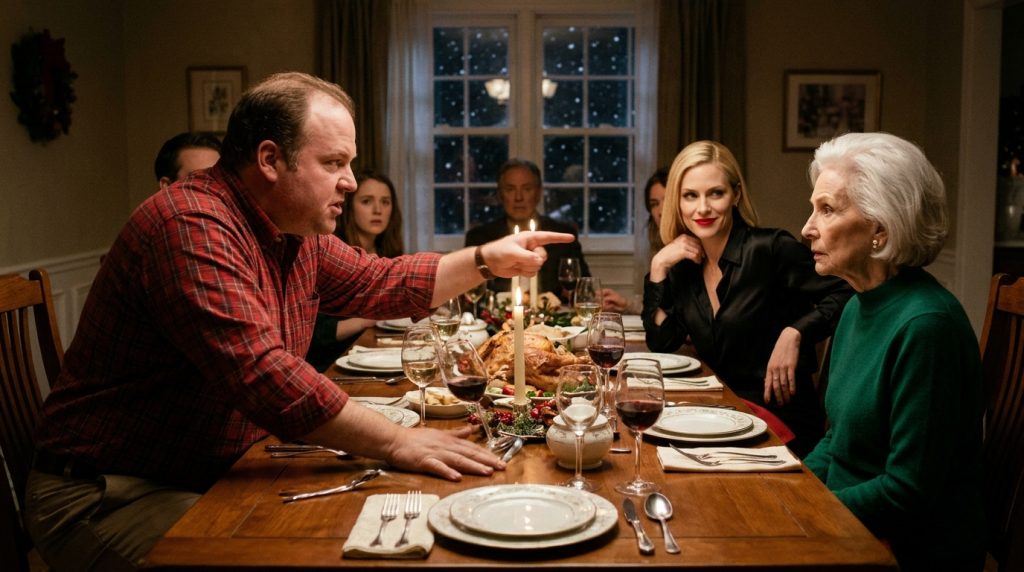
Every Saturday morning, Lydia hosted brunches for her friends. Laughter drifted through the house while I quietly sat on the back patio with a novel and a cup of coffee.
More than once, I overheard her introducing the property.
Every sentence made it sound as though my name had vanished from the deed.
One Tuesday afternoon, I returned home earlier than expected after meeting an old friend for lunch. As I walked through the side gate, I stopped in disbelief.
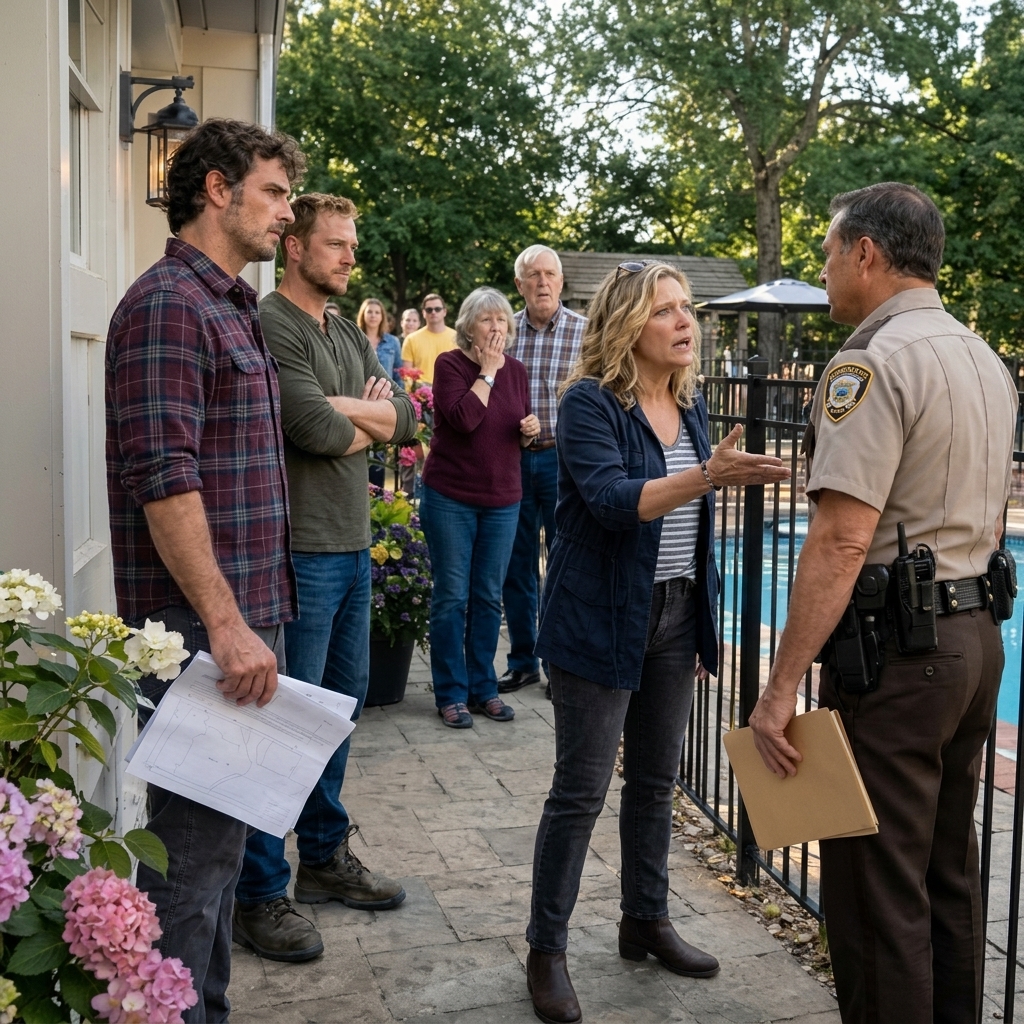
A pickup truck was parked in the driveway. A man wearing a construction vest stood in the backyard, stretching a measuring tape across my lawn while another worker took notes on a clipboard.
Lydia stood beside them, pointing toward my flower beds.
“I’d love a swimming pool right here,” she said enthusiastically. “We’ll probably remove those bushes.”
Those bushes weren’t ordinary landscaping. George had planted every single rose with his own hands during the final spring before he passed away.
I walked across the yard.
The contractor noticed me first.
“Good afternoon,” he greeted politely.
Without raising my voice, I took the clipboard from Lydia’s hands and returned it to him.
“There won’t be a pool,” I said calmly.
The contractor looked confused. Lydia crossed her arms.
I met the contractor’s eyes.
His expression changed immediately.
Popular Posts
→- 1
- 2
- 3
- 4




Recently Viewed
Stories you read recently will appear here.