Part 2
From that afternoon on, Evelyn and I became conspirators.
Every Sunday I found an excuse to slip into the sunroom.
Sometimes I carried tea.
Sometimes I claimed I wanted to show her photographs from school.
Once I spent twenty minutes pretending to look for my scarf after deliberately leaving it beside her wheelchair.
Nobody noticed.
That fact made me sadder than I expected.
Evelyn told me she had been married to a man named George for fifty-three years.
He had been hearing, and when they met at a summer dance in 1952, he knew no sign language at all.
After seeing her once, he borrowed books from a teacher and spent the entire summer learning enough ASL to ask her to another dance properly.
“He was terrible,” Evelyn signed, smiling.
“But determined.”
George eventually became fluent.
According to Evelyn, he could argue politics in ASL, tell dirty jokes at parties, and sign affectionate insults across crowded rooms.
When he died eleven years earlier, the last person in the house who had truly talked with her disappeared.
I asked about Barbara and her daughters.
Evelyn’s smile faded.
They had learned ASL as children because George insisted upon it.
But after he died, communication became something they used when convenient.
Barbara handled Evelyn’s appointments, finances, meals, medications, and transportation, then treated those tasks as proof that she had done everything a daughter could possibly be expected to do.
“What do you talk about?”
I asked.
Evelyn gave a tired shrug.
Meals.
Medicine.
Bedtime.
Then she looked toward the kitchen and signed, They talk about me more than they talk to me.
That sentence stayed with me.
So did everything else she told me.
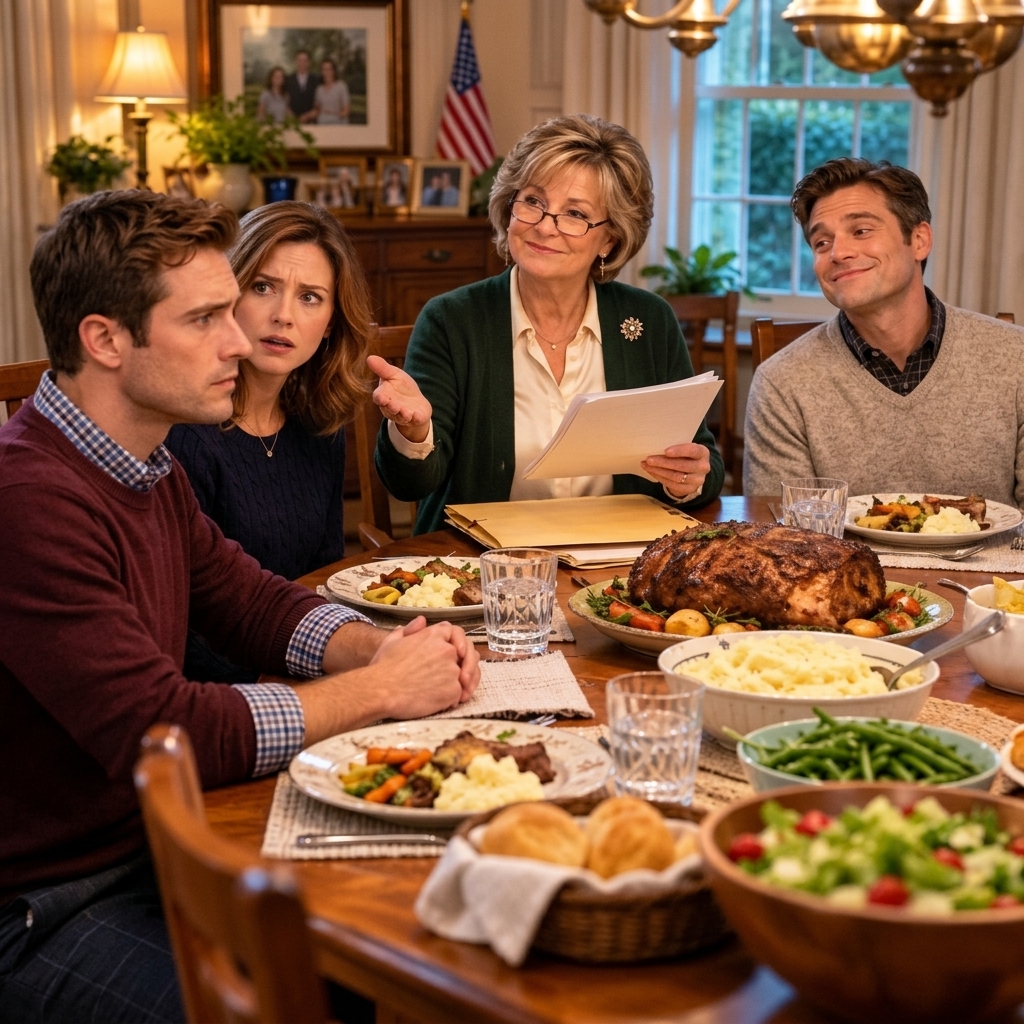
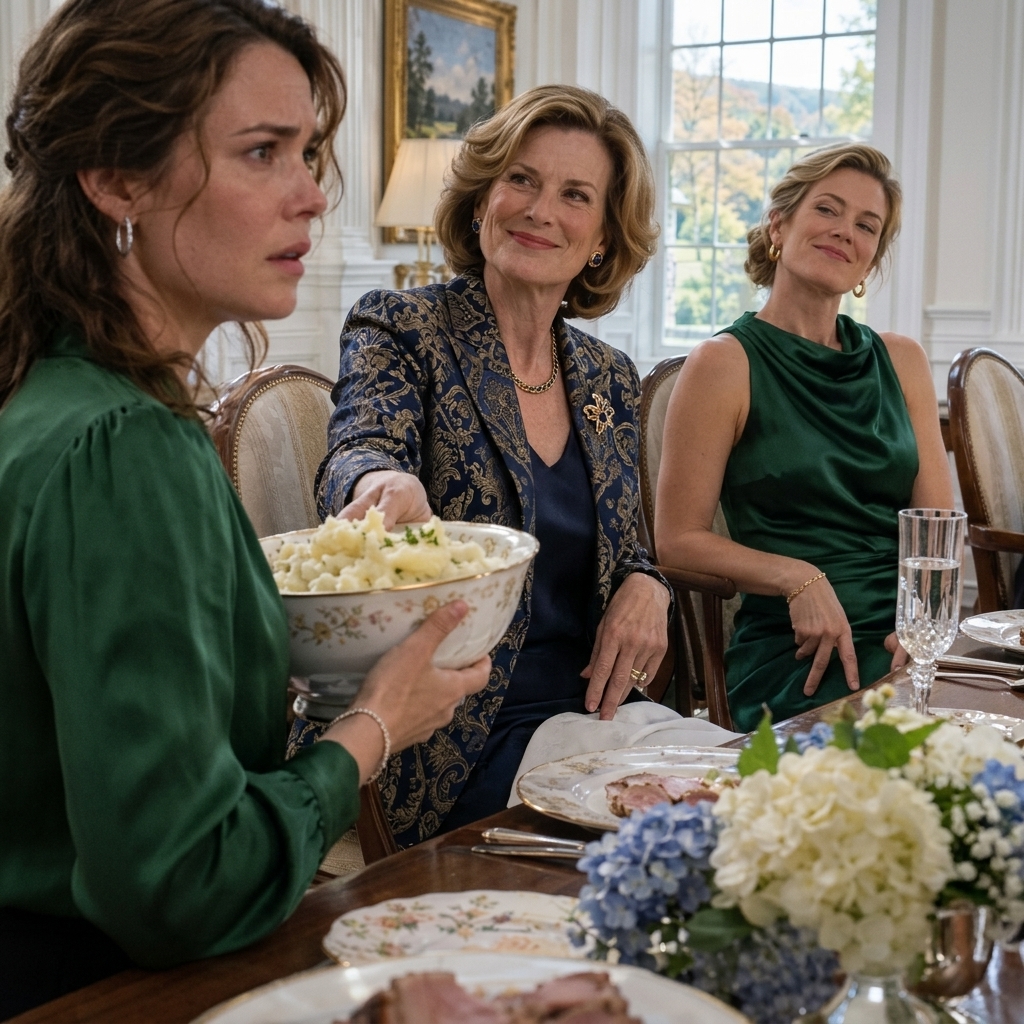
At dinner, Barbara would discuss whether Evelyn should move into assisted living while Evelyn sat six feet away.
Lauren and Melissa would debate which pieces of jewelry they hoped to inherit.
They assumed the speed of their conversation and Evelyn’s age meant she missed most of it.
She missed nothing.
Neither did I.
By spring, the humiliation directed at me had almost become routine.
I still hated it, but I had stopped being surprised.
What shocked me was watching Barbara treat her own mother as a burden while publicly presenting herself as a devoted daughter.
Then one evening Daniel mentioned our September wedding.
Barbara’s smile tightened.
“September comes quickly,” she said.
Under the table, Lauren’s hands moved.
What about the house?
Barbara answered.
I’m handling it.
I kept eating.
A few weeks later, I learned what she meant.
Barbara had recruited me to make flower arrangements for Evelyn’s ninetieth birthday party.
She was inviting nearly a hundred people, hiring a string quartet, ordering a three-tier cake, and even inviting a reporter from the county newspaper.
Every detail had been designed to look elegant.
Three days before the party, I was trimming white roses at Barbara’s kitchen island while she and Lauren arranged place cards nearby.
Lauren signed, What about Daniel’s marriage?
Barbara checked to make sure I was busy.
Then she signed, I’ve spoken with the attorney.
Daniel needs a prenuptial agreement.
Lauren’s eyebrows lifted.
Barbara continued.
He’ll sign it.
Once she realizes she gets nothing, she’ll leave.
My scissors stopped.
She’ll be gone before Christmas, Barbara signed.
Then she turned to me with the brightest smile imaginable.
“Nora, those flowers are precious,” she said.
“You’re very talented with your little crafts.”
I looked at her and suddenly understood that my silence had reached its end.
Not because she disliked my clothes.
Not because she looked down on my job.
Not even because she had mocked my dead parents.
She was trying to interfere with my marriage.
I finished the centerpiece, washed my hands, and walked to the sunroom.
Evelyn was watching birds at the feeder.
I told her everything.
She listened without interruption, then rested both hands on her blanket.
For a long moment she stared outside.
Finally, she turned back to me.
My birthday is Saturday.
I nodded.
She lifted one finger.
I want a present.
“What?”
Her eyes sharpened.
Let me speak.
Part 3
Saturday arrived with blue skies and the kind of mild June weather Barbara considered evidence that God approved of her planning.
A white tent covered half the lawn.
Roses filled crystal vases, waiters moved between tables carrying champagne, and a four-piece string ensemble played near the hydrangeas.
Guests arrived in linen jackets and summer dresses while Barbara floated among them in pale pink, accepting compliments about the celebration.
Evelyn wore lavender.
She sat near the front of the tent beneath a banner that read HAPPY 90TH, her white hair carefully curled.
People bent down to kiss her cheek, wished her happy birthday, and then immediately began talking to someone else.
Popular Posts
→- 1
- 2
- 3
- 4




Recently Viewed
Stories you read recently will appear here.