My own life kept moving. My business reached $280,000 in annual revenue. I hired my first employee and rented a small workspace so my house no longer smelled permanently of packing tape, sawdust, and candle wax. I also finished the guest bathroom renovation that had been interrupted by the lawsuit.
At a home-improvement event, I met a contractor named Caleb Brooks. He was patient, funny, and completely unimpressed by drama. On our third date, I told him the story.
“Your family sued you because you were successful?” he asked. “Yes.” “And tried to take your house?” “Yes.” He stared at me for several seconds. “That may be the craziest thing I’ve ever heard.”
“It used to make me furious,” I said.
“Used to?”
I looked around the little restaurant. Warm light reflected off the window. Somewhere behind us, plates clinked and someone laughed.
“Now it just feels far away.”
Six months after the trial, a letter arrived from Dad. I almost threw it away. Instead, I opened it at my kitchen table.
He admitted they had favored Mason. He said calling me “self-sufficient” had been an excuse for giving me less attention because Mason demanded more. He admitted they had resented my success because it exposed their mistakes with him.
Then he wrote the words I had wanted for years.
You built something remarkable. We should have been proud of you.
I read the letter twice.
There was a time when those words would have changed everything.
Now they changed almost nothing.
I folded the letter, put it in a drawer, and did not reply.
An apology could acknowledge the past.
It could not buy back access to my future.
### Part 6
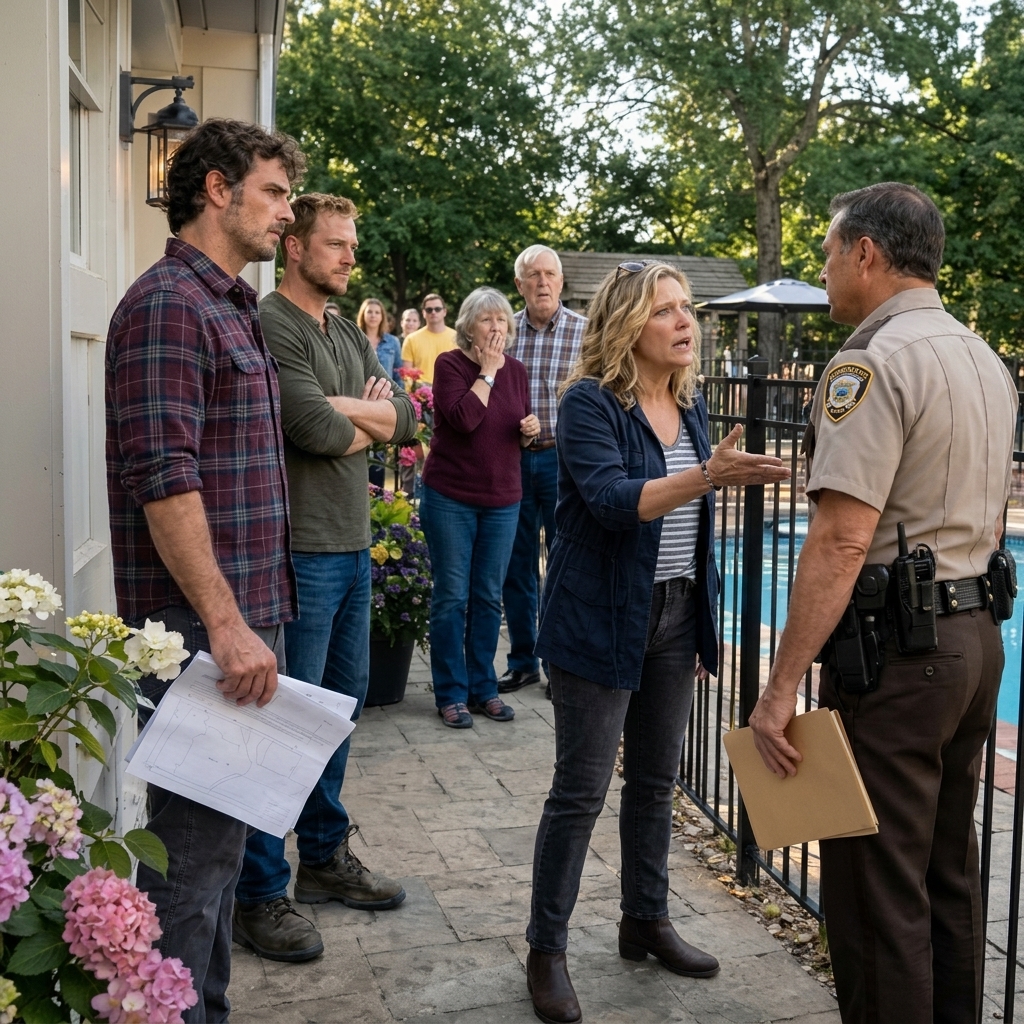
Two years passed before I saw Mason again. I was at a coffee shop reviewing quarterly numbers when he walked in wearing a retail uniform. His hair was shorter, and he looked thinner, quieter. He saw me and approached slowly.
“Can I sit for one minute?”
I nodded.
“I’m not asking for money,” he said immediately. “I came to apologize.”
I said nothing.
He swallowed. “I destroyed my own life. You didn’t. I blamed you because admitting that was easier than admitting I wanted the results without the work.”
He told me he had been in therapy for more than a year, working full-time, taking night classes in basic business courses, and paying our parents back fifty dollars at a time.
“I thought being the oldest meant I was supposed to win,” he said. “Mom and Dad believed in me so loudly that I confused belief with ability.”
“What changed?”
“I ran out of people to blame.”
“I appreciate the apology,” I said. “But I’m not ready to have you back in my life.”
He nodded. “That’s fair.”
A year later, my business crossed half a million dollars in annual revenue. I hired two more employees and moved into a real office. Caleb and I moved in together, slowly combining our lives without anyone demanding that one person shrink so the other could feel bigger.
Dad called occasionally. I answered sometimes. Mom sent birthday cards. I did not visit.
Distance was not revenge. It was the boundary I should have been allowed to have years earlier.
Then a letter arrived with a cashier’s check for $16,800. Dad’s note said Mason had saved for two years and wanted to reimburse the legal fees that started with his entitlement.
I called him. “You didn’t owe this judgment.” Mason said, “I know.” “Then why?” He answered, “Because I caused it. I needed to finish paying for one of my own mistakes.”
I cashed the check and donated the entire amount to a scholarship fund for first-generation students who worked while attending college. Then I texted Mason: Check handled. Donated to students working their way through school. We’re square.
His response came a minute later.
That’s perfect. Thank you.
Caleb proposed the following year. We had a small wedding with close friends and Aunt Rachel. My parents were not invited.
Dad called a month before the ceremony. “I heard about the wedding. Congratulations. I understand why we’re not included.” I said, “Thank you.” He paused. “We are proud of you.”
For once, I did not need the words, which made them easier to hear.
Later, Caleb and I had a daughter, Lily. My parents learned through Rachel. I allowed them one short visit several months after she was born, with clear boundaries and no promises about what came next.
Mason came separately with a children’s book. He held it out to me at the door. “No speeches,” he said. “Just this.” I accepted it.
Popular Posts
→- 1
- 2
- 3
- 4




Recently Viewed
Stories you read recently will appear here.