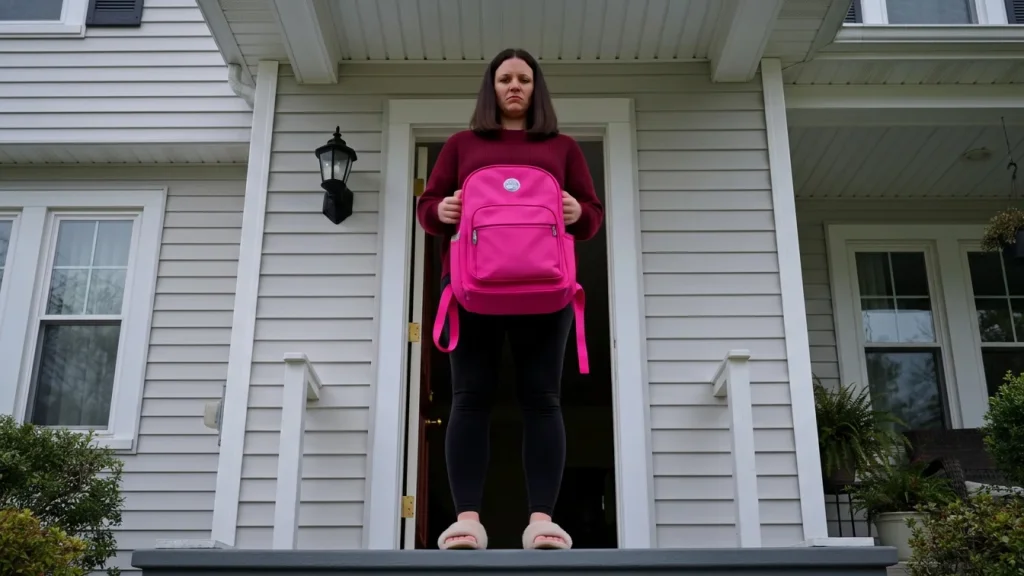
Second, it reminds us that fictional stories can still touch real experiences. The mark on the protagonist’s cheek, the public confrontation, and the pressure to keep silent are themes that resonate with many people, including those who have lived through family conflict or violence. Creators who use such imagery should handle it with care, avoid glorifying harm, and keep the focus on the human response rather than on the injury itself. This clip does reasonably well on that front: it shows aftermath rather than the act, and it gives the injured character agency and a voice.
Third, it raises questions about authorship. Who is responsible for a story made with generative tools? The answer is that the creator remains accountable for the prompts, the choices, and the publication. Technology does not remove ethical responsibility; it makes it more visible.
Now let us pull together the main lessons from this series. The video succeeds because of strong structure: arrival, confrontation, evidence, reaction. It succeeds because of clear visual language: frame-within-a-frame depth, symbolic color, purposeful costume, and expressive close-ups. It succeeds because it gives the audience a role: we are witnesses at the table, asked to judge what we cannot fully see. And it succeeds because it leaves a question open, which invites discussion.
For viewers, a few reminders are useful. Enjoy dramatic stories, but remember that real family conflicts are rarely resolved in ten seconds. If you or someone you know is experiencing harm at home, reach out to a trusted person or to local support services. If a video affects you strongly, take a break and talk about it.
For creators, the guidelines are straightforward. Establish the world before you zoom in. Use costume and props to carry backstory. Let silence do some of the work. Give witnesses a presence. Label synthetic content clearly. And treat sensitive themes with respect.
So, what is in the envelope? Perhaps a secret, a record, a message, or a truth that has waited too long. The video does not tell us, and that is the point. The best short stories end not with an answer but with a question that follows us out of the room.
Popular Posts
→- 1
- 2
- 3
- 4




Recently Viewed
Stories you read recently will appear here.