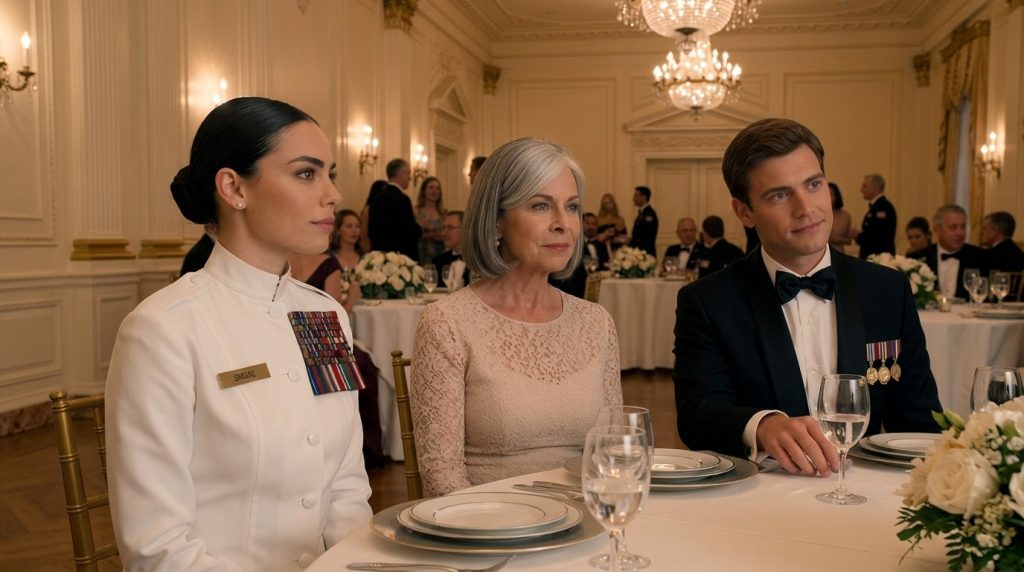
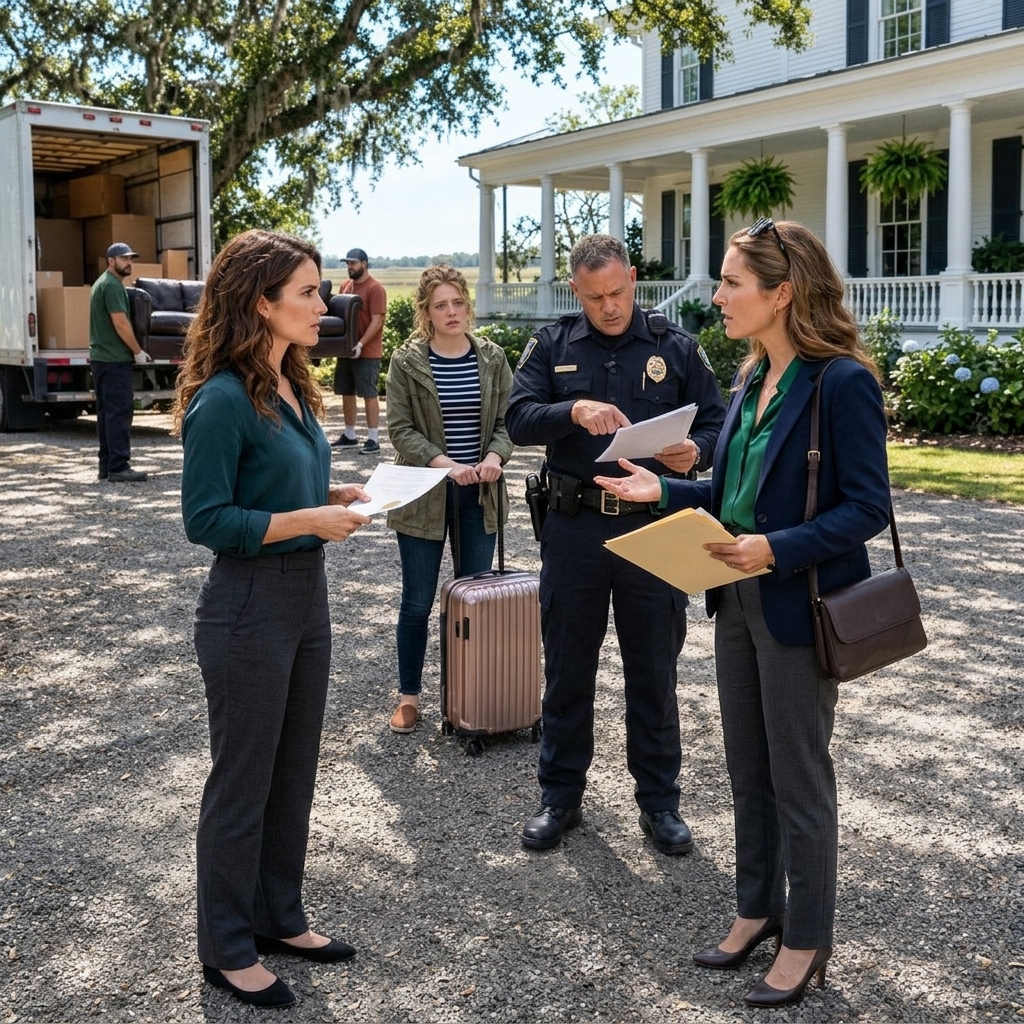
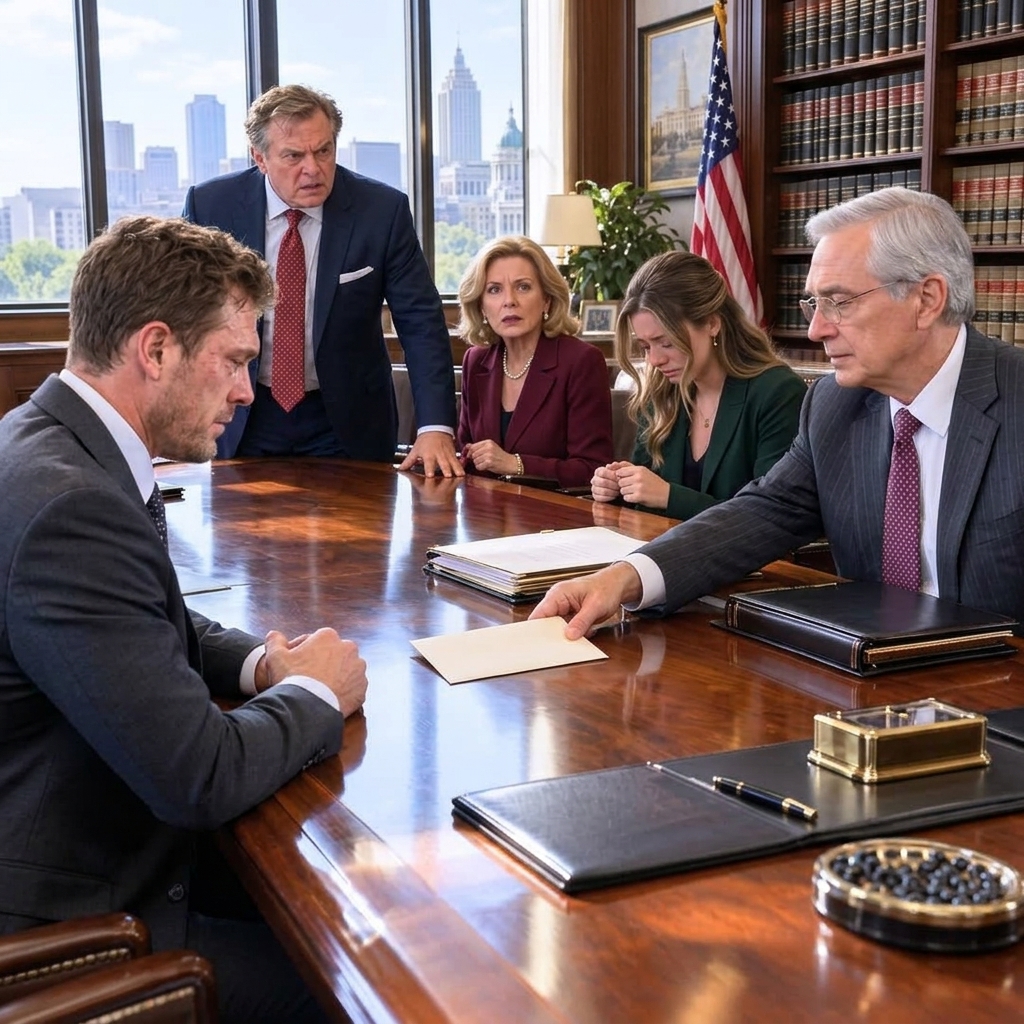
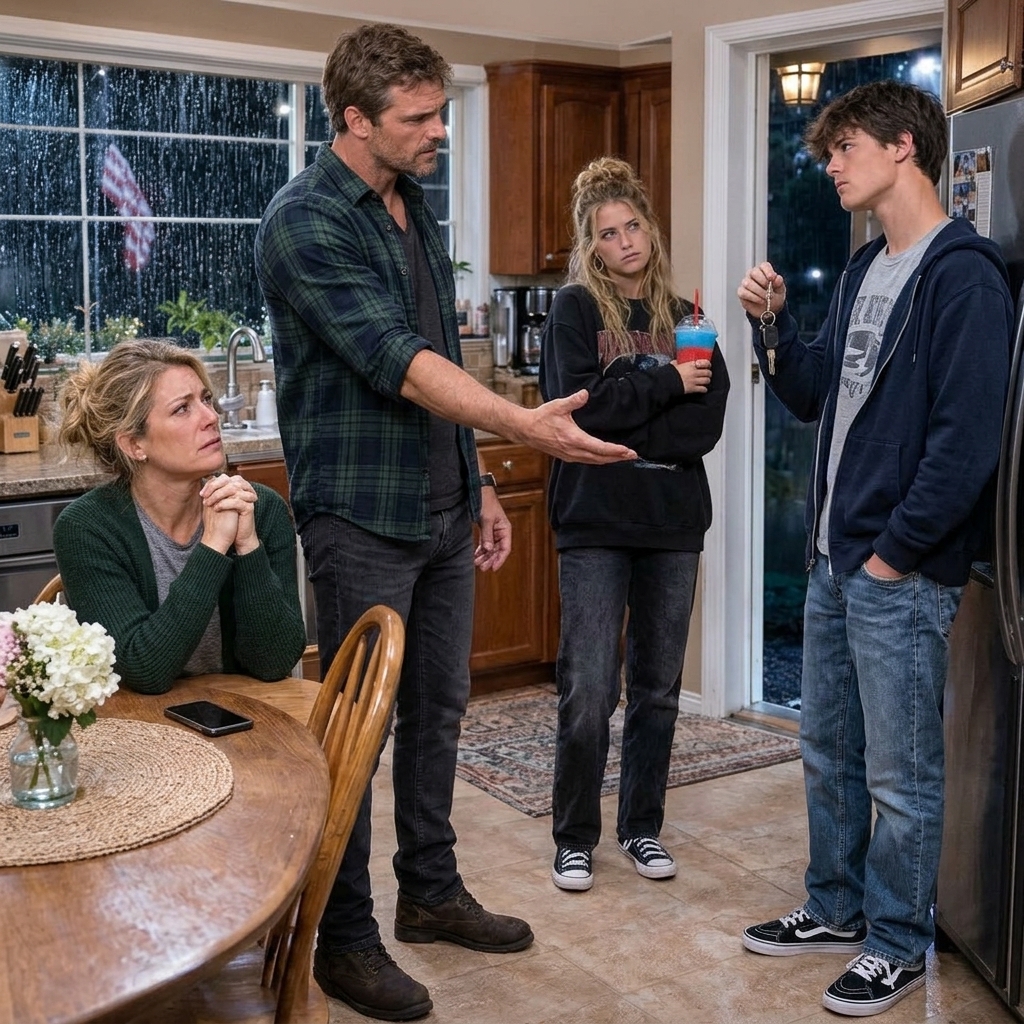
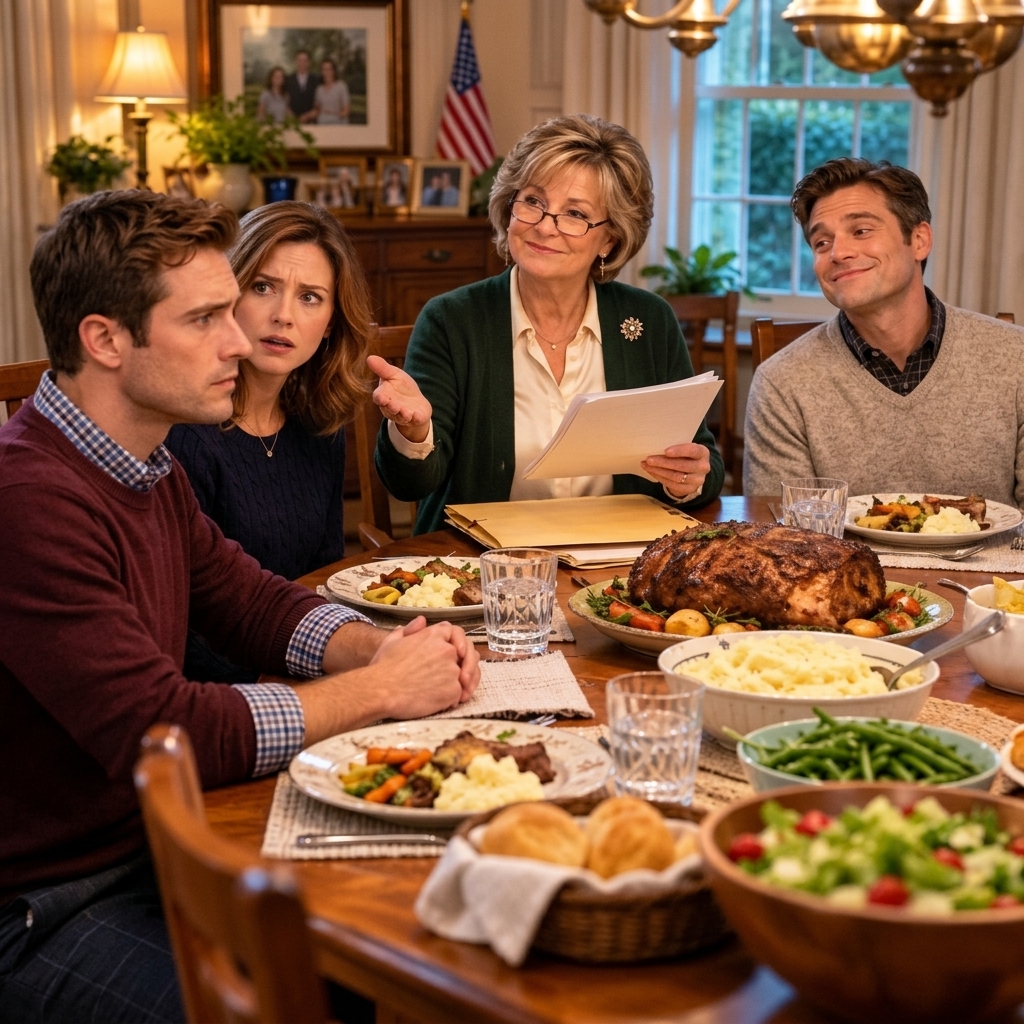
“He must have believed Richard would honor the agreement if it was witnessed.””
Rebecca examined the page.
“This is significant, but the investigators will need to verify the signatures and establish how the document was stored. We must also determine whether the agreement was properly executed under the law.””
One investigator sealed the envelope in an evidence bag.
Then he looked toward Mom.
“Mrs. Carter, did you know this document was here?””
“Yes.””
“Why didn’t you disclose its location earlier?””
Mom took a long breath.
“Because I was afraid. Richard had already threatened my son once. I believed that if I kept the document hidden, I could keep Daniel safe.””
The investigator nodded and recorded her answer.
I looked at my father’s name.
For twenty years, I had imagined his final moments as a terrible accident that no one could have prevented.
Now I knew he had spent his last days trying to stop a powerful man from stealing another person’s home.
He hadn’t died because he was careless.
He had died refusing to surrender.
And my mother had spent twenty years carrying the weight of the choices she made while trying to save him.
I reached for her hand.
She held mine tightly.
The investigation lasted several months.
The original witness declaration was authenticated through handwriting analysis and comparison with other verified documents. Investigators recovered financial records connecting Hale Development Group to payments made around the time of my father’s accident.
The county also uncovered evidence that the disputed death declaration had been used to support property filings that should never have been approved.
Richard’s lawyers challenged the documents, the witnesses,
and every procedural step.
But the evidence continued to accumulate.
The forged signatures were traced to a document specialist who had worked for one of Richard’s companies. That specialist eventually agreed to cooperate with investigators after being confronted with payment records and correspondence.
The county officer who had handled my father’s accident was also investigated.
I learned that he had received money from a company connected to Richard, though investigators were careful not to claim that the payment alone proved he had caused the accident.
The question of what had happened on the service road remained under separate investigation.
But the property case was clearer.
Richard could no longer pretend that Walter had willingly surrendered the land.
Nor could he explain away the witness declaration bearing his own signature.
Walter’s estate was restored to his control,
and the disputed transfer to Hale Development Group was blocked.
The investigation also uncovered a series of fraudulent filings involving other parcels of land.
Several families who had spent years fighting eviction notices came forward.
One elderly couple had nearly lost the house they had lived in for forty years.
A retired farmer had sold his equipment to pay legal fees after being told his land was subject to a debt he did not recognize.
Their stories made me realize that my family had never been Richard’s only target.
He had built his fortune by convincing ordinary people that fighting him was pointless.
Now they finally had a reason to fight back.
Vanessa testified before the investigators and provided the photographs from her father’s office. She admitted that she had helped him locate information about the trust and had ignored warning signs because she wanted to believe her father was right.
She didn’t ask for forgiveness.
Not from me.
Not from my mother.
And not from the families who had been harmed by her father’s business.
When the divorce was finalized, she signed the papers without argument.
I kept the wedding ring for a while, not because I hoped we would reconcile, but because I needed time to understand how someone could be both the person I loved and the person who had helped hurt my family.
Eventually, I sold it.
The money went to a legal assistance fund established for families affected by the fraudulent property filings.
It wasn’t revenge.
It was a way of making sure something useful came from a painful mistake.
Richard’s criminal case continued, and he faced charges connected to the fraudulent documents and related financial misconduct. The court proceedings would take time, and I knew better than to assume that every question about my father’s death had been answered.
But for the first time in twenty years, my mother no longer had to hide.
One Sunday morning, I visited her house and found her sitting on the porch with a cup of coffee.
The eviction notice was gone.
The front door had been repaired.
And beside the window sat a framed photograph of Dad, smiling in his work clothes with grease on his hands.
Mom looked up when I approached.
“I’ve been thinking about the wedding,” she said.
I sat beside her.
“So have I.””
Popular Posts
→- 1
- 2
- 3
- 4




Recently Viewed
Stories you read recently will appear here.